Why Shopping Small and Secondhand Matters
In a culture shaped by convenience, speed, and constant consumption, the act of choosing where, and how, to shop has never been more significant. Shopping small businesses and choosing secondhand items are not just aesthetic or financial decisions; they are ethical ones that shape communities, reduce waste, and redefine the value of what already exists.
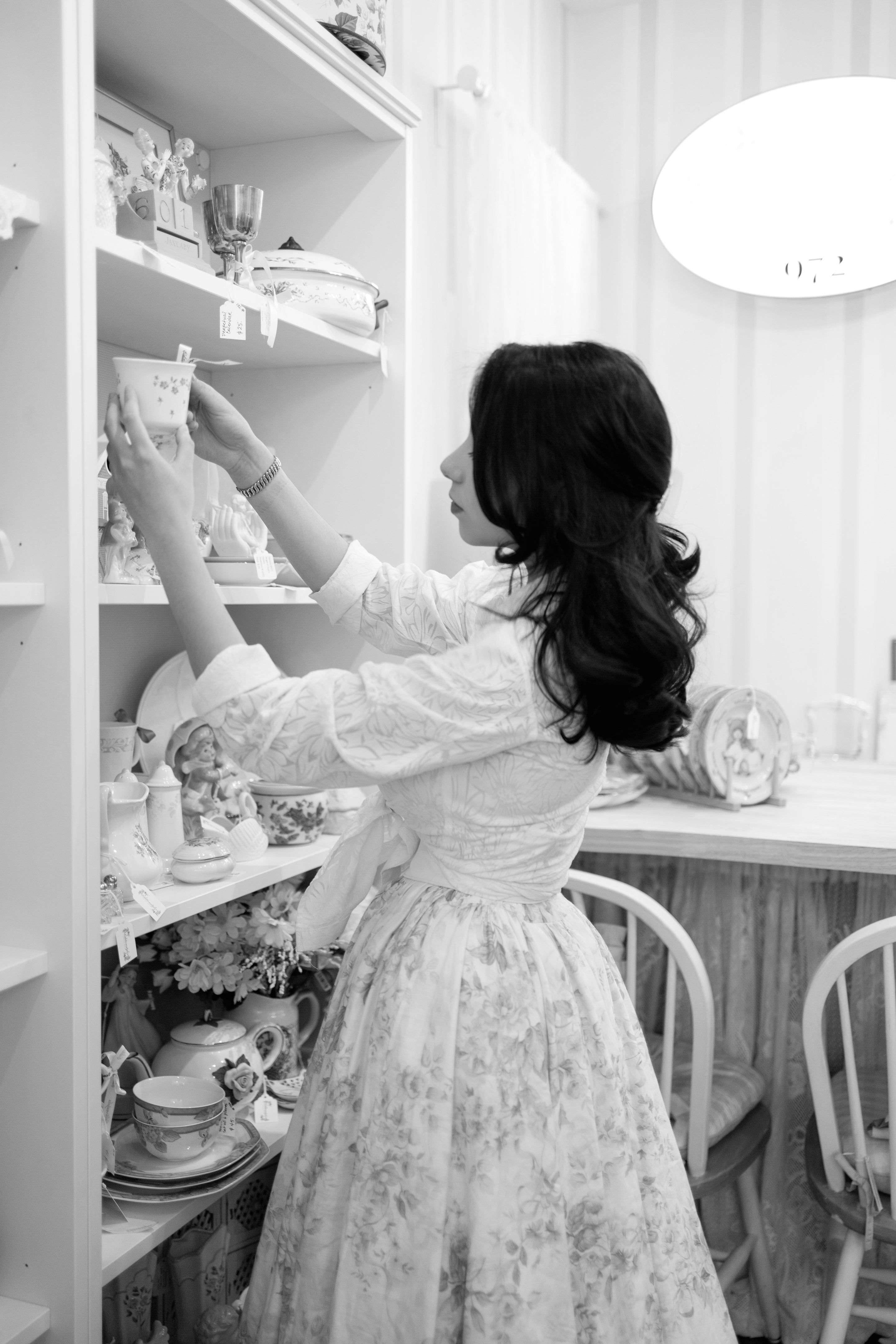
For shops like Editionstyles Vintage, these choices are foundational rather than performative. They inform every decision, from sourcing to presentation, and reflect a broader belief that slower, more intentional consumption matters.
The Environmental Cost of “New”
The environmental impact of producing new goods, particularly clothing and home items, is substantial. Mass production requires raw materials, water, energy, transportation, and labor, often resulting in excess inventory and waste.
When items are purchased secondhand, that cycle is interrupted. Thrifting extends the life of objects that already exist, reducing the demand for new production and preventing usable items from entering landfills. Every secondhand purchase represents one less item that needs to be made from scratch.
Choosing vintage is not about perfection or purity. It is about participation, about making a conscious decision to reuse rather than replace.
Why Secondhand Is Different
Secondhand shopping encourages a different relationship with objects. Unlike fast retail, where abundance can lead to disposability, vintage sourcing requires discernment. Items are singular. They cannot be reordered. Their value lies in their quality, history, and continued usefulness.
This shift encourages slower decision-making and greater appreciation. Rather than buying for trend or novelty, shoppers are invited to buy for longevity, fit, and meaning.
In this way, secondhand shopping supports not only environmental responsibility, but also a healthier approach to consumption overall.
The Role of Small Businesses
Small businesses operate differently from large retailers. They are not driven by volume, trends, or constant turnover. Instead, they are shaped by individual values, local communities, and personal accountability.
When you shop small, you support someone’s livelihood directly. You support time spent sourcing, curating, repairing, learning, and caring. You support spaces that are personal rather than anonymous, places where conversation, connection, and trust still matter.
Small vintage shops, in particular, act as intermediaries between excess and intention. They filter what exists, offering edited selections that prioritize quality and coherence over quantity.
Community Over Convenience
One of the most overlooked aspects of shopping small is its impact on community. Independent shops create spaces where people gather, talk, and engage. They offer an alternative to transactional experiences dominated by speed and algorithms.
Choosing to shop in person, secondhand, or from a small business is not always the fastest option, but it is often the most meaningful. These spaces foster connection, shared knowledge, and mutual respect between seller and buyer.
Over time, this builds something more lasting than convenience: trust.
Why These Choices Matter Together
Shopping secondhand and shopping small are most powerful when practiced together. One reduces environmental impact. The other strengthens local economies and preserves individuality in retail.
Together, they challenge a system built on overproduction and disposability, replacing it with one rooted in care, longevity, and discernment.
These choices do not require perfection, only intention.
A Slower Way Forward
Supporting small businesses and choosing secondhand is not about rejecting the modern world. It is about engaging with it more thoughtfully.
It is about choosing items that already exist, supporting people who work carefully, and valuing what lasts over what is new. It is about recognizing that every purchase has weight and choosing to let that weight be a positive one.
For shops like Editionstyles Vintage, this philosophy is not a marketing angle. It is the foundation.